Design & Planning
With our extensive knowledge and experience we hand pick the right team to plan your project and bring your concept design through to completion.
We have a panel of interior designers, space planners, structural engineers and architects. We manage the relationships with all stakeholders required to successfully deliver the projects. We treat every project individually and tailor the team according to your needs.
We offer a range of design services with the sole purpose of planning every stage from start to finish to deliver a successful and stress-free project.
How does the Design & Planning Process work?
Step 1: Preliminary research, Clients Requirements & Specification
- Examining your current home and lifestyle. Or in case of commercial developments examining all the requirements for your business.
- Developing your design brief
- Agreeing your baseline budget
- Exploring sources of professional advice for each stage of decision
Step 2: Site Analysis
Along with our colleagues, designers and architects we make sure to analyse every detail of the site to confirm we have all the information required.
Step 3: Concept designs
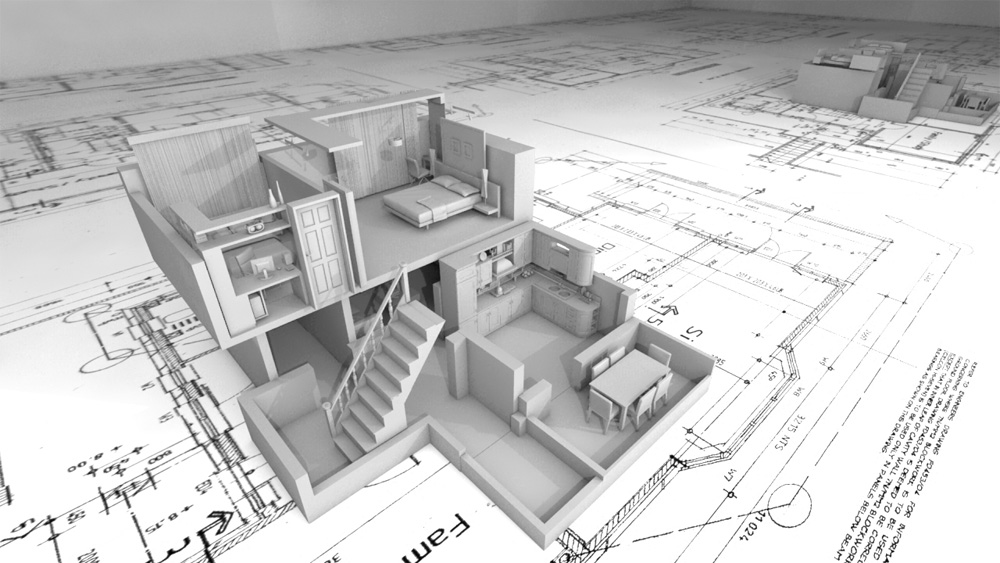
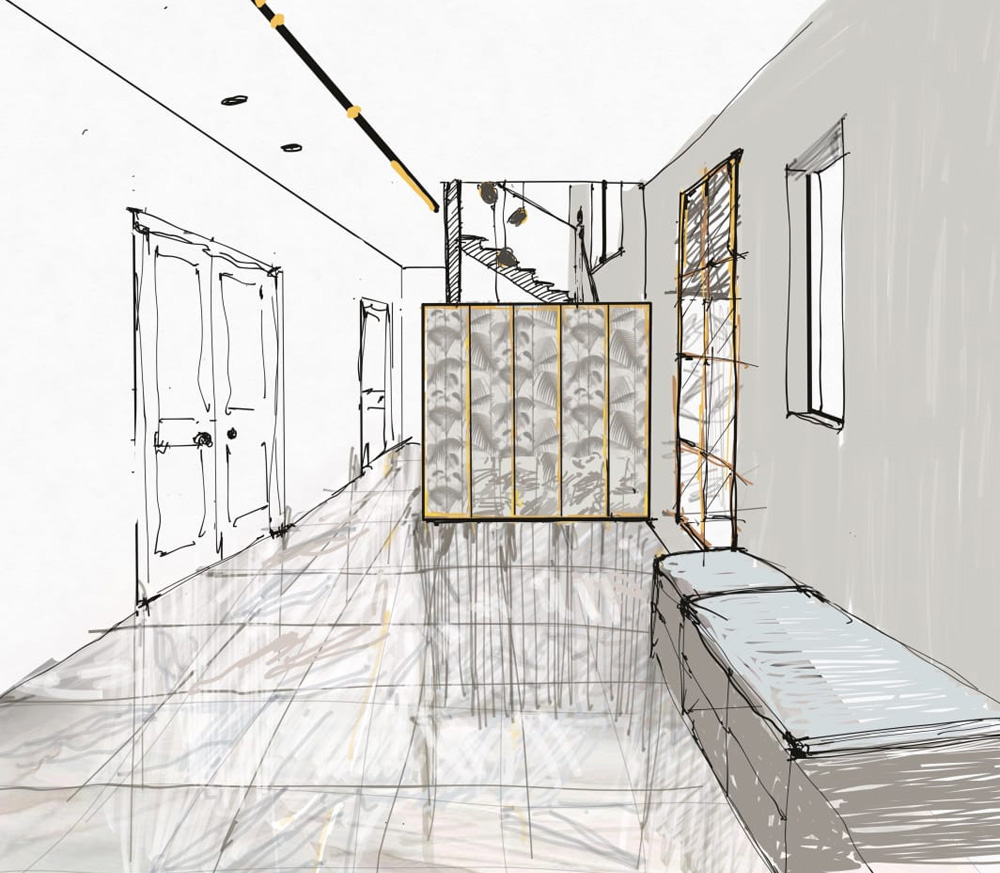
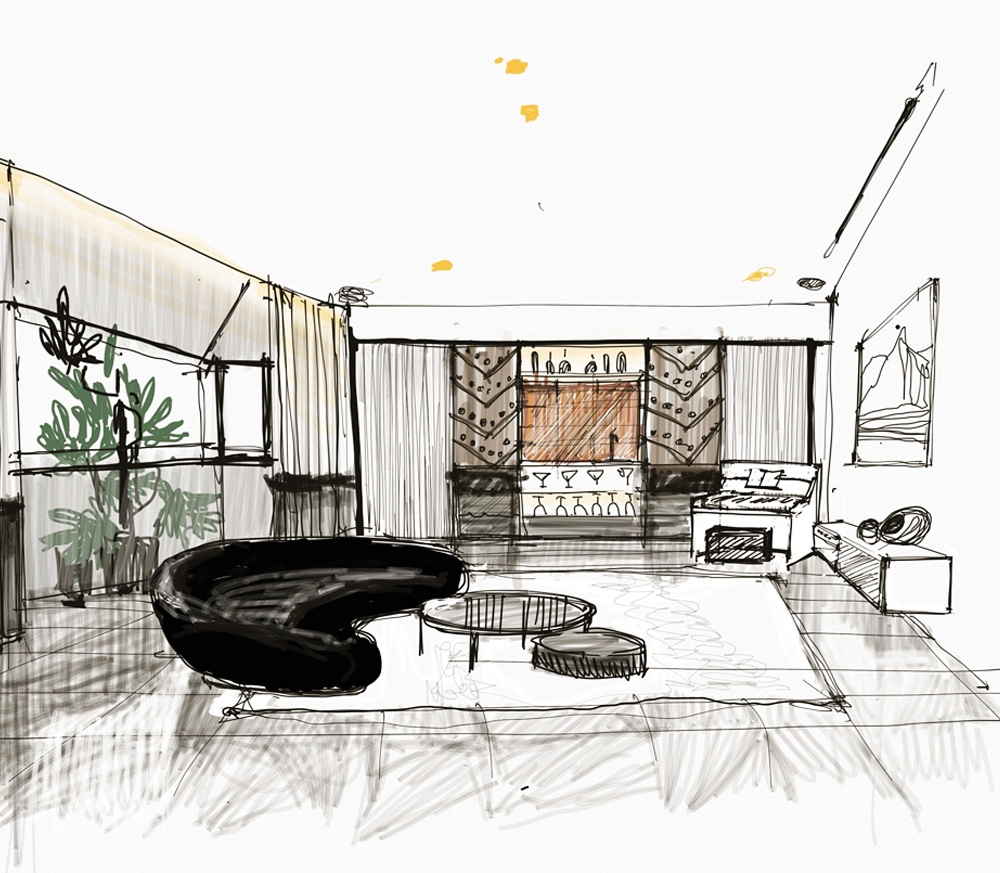
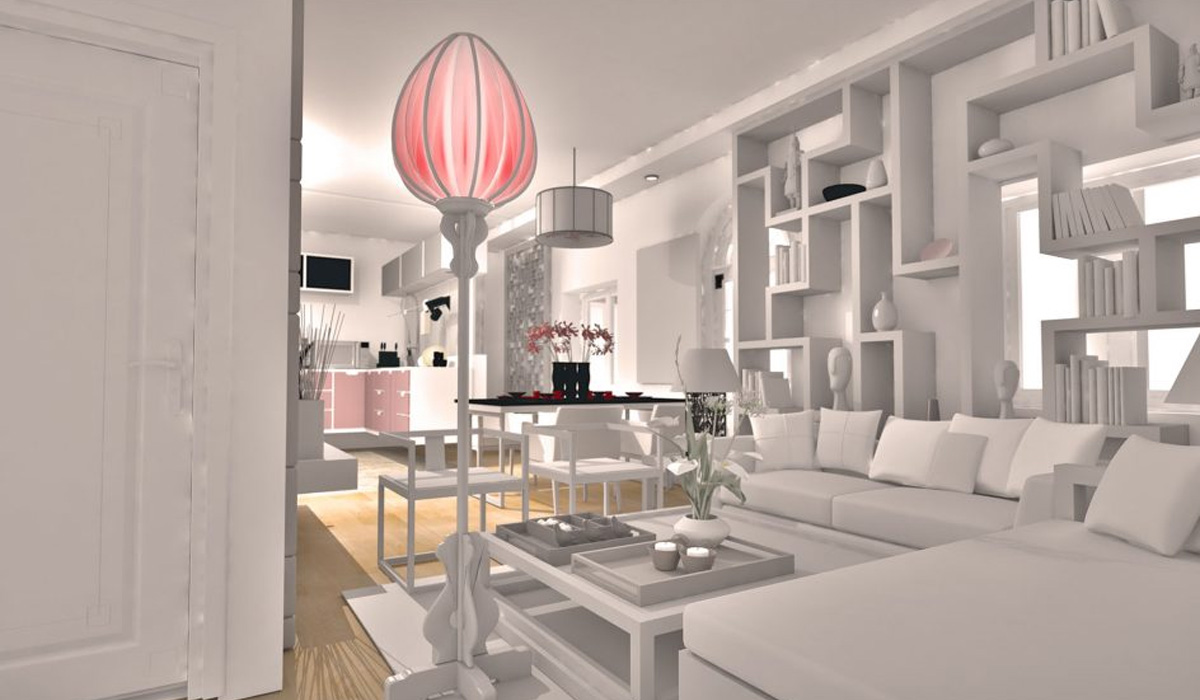
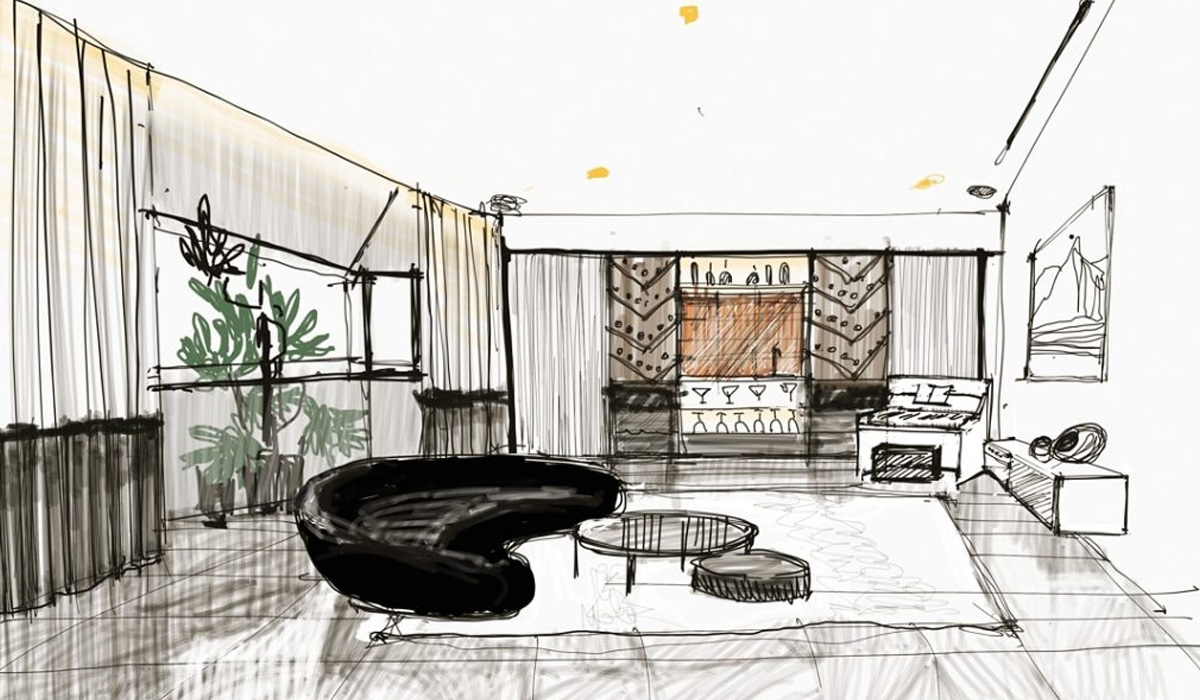
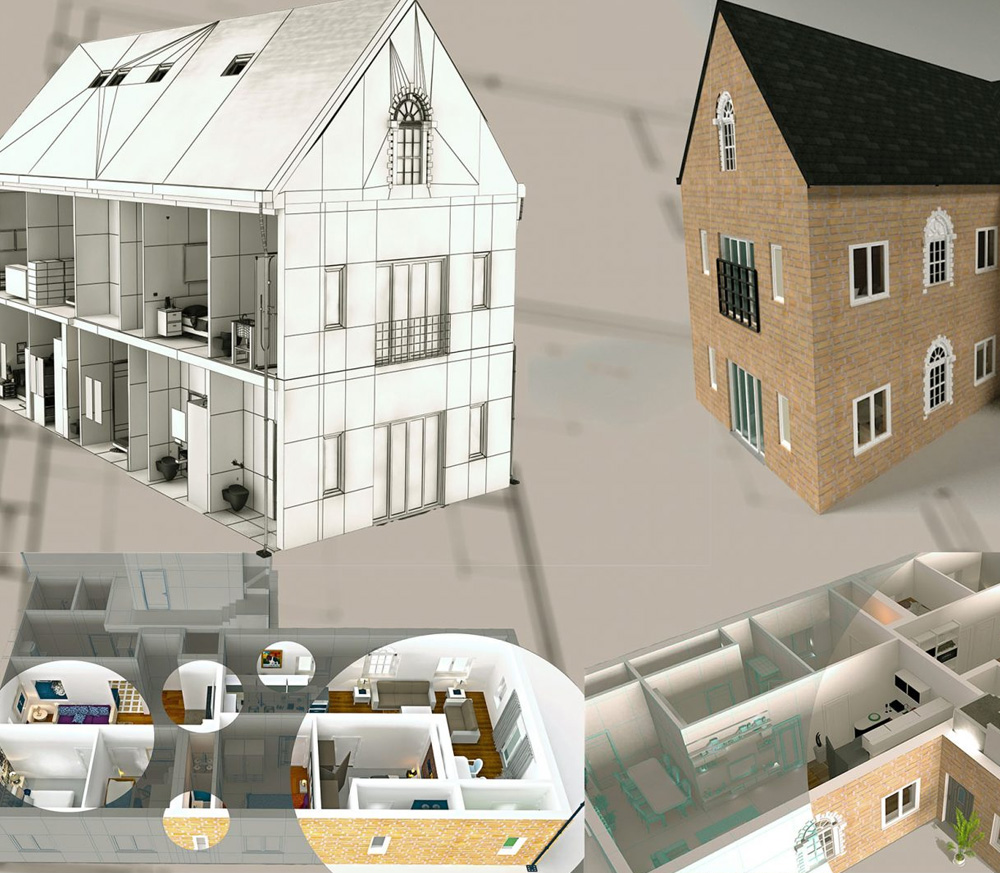
Designers often prepare several concept designs to communicate their thinking and allow you to assess them against your brief. They can range from a simple bubble diagram sketch, through to hand drawn concepts, CAD Drawings or 3D Designs. We will draft our designs based on client input while making sure we meet legal obligations.
Step 4: Submitting Designs
Submit the concept designs to client for review.
Step 5: Design development
Once the concept design has been approved, the designer then develops the concept into a preliminary layout. More than one concept can be developed in this way but each additional concept developed may increase design fees.
This important stage usually includes preliminary room arrangements, window opening sizes and orientation, indication of indoor–outdoor flow, furniture layouts and preliminary choice of construction systems.
It is important that you spend time visualising your household living in the design at this stage. Revisit your analysis of your current home. Have problems been overcome? Have new ones been created?
The decision-making process for material selection also progresses during this step whilst external and internal finishes are considered.
KBM’s sister company Alianz Veneta UK has agreements and distribution rights to the UK with over 7 companies based in Italy. We source the highest quality brands from Italy to the UK with the intention of making a difference to your project unlike our competitors.
Step 6: Final Design
Make your final design and selection decisions. Final design is often when budget overruns become apparent and cost reductions can be made.
These trade-offs are best managed by dividing your project into stages. Features you are not needed immediately can be built or added later. By including the sustainability features at the start clients reduce bills from the day they move in. These features are usually less expensive to incorporate in the initial build than to add later. Additional spaces or rooms designed into a total concept at the outset can be added cost effectively when future finances allow.
Changes made after this stage has been signed off will likely add to design costs.
When both parties are satisfied with the design, the final design drawing is submitted to the local council for planning approval before design detailing. It maybe that a staged approval process is desirable. This approach can accommodate design changes required by council more cost effectively.
Step 7: Council Approval
Straightforward designs on sites that are not subject to stringent planning controls are commonly submitted to the local council for simultaneous planning and construction approval. One set of plans can address both planning and construction detailing. For more complex designs that challenge the standard approval process, separate submissions can be advantageous. These challenges are often associated with oversized developments that impact on neighbouring views or amenity, or are out of character with the surrounding neighbourhood.